
in-store offers
10 of the best
The Heist Film

The heist film, a venerable subgenre nestled within the broader crime oeuvre, has ceaselessly fascinated cinephiles with its labyrinthine plots, nuanced characters, and exhilarating high-wire acts. Its inception traces back to the early 20th century, germinating from the fertile soil of crime and caper genres, ultimately flowering into a distinct narrative form defined by meticulous planning and audacious execution. Through complex plots and morally ambiguous characters, the heist film beckons viewers into a realm where the boundaries between righteousness and villainy blur into a chiaroscuro of ethical ambiguity. In this landscape of moral relativism, the heist film becomes a mirror reflecting the complexities of human nature, where noble intentions intersect with base desires and the allure of forbidden fruit tantalises even the most virtuous souls. Yet, it is precisely this ambiguity that lends the heist film its enduring appeal. In this way, it transcends its genre trappings, reminding us that in a world where certainty is a rare commodity, the only constant is the ever-shifting landscape of morality.
Here are ten standout films that portray thrilling heists on screen…
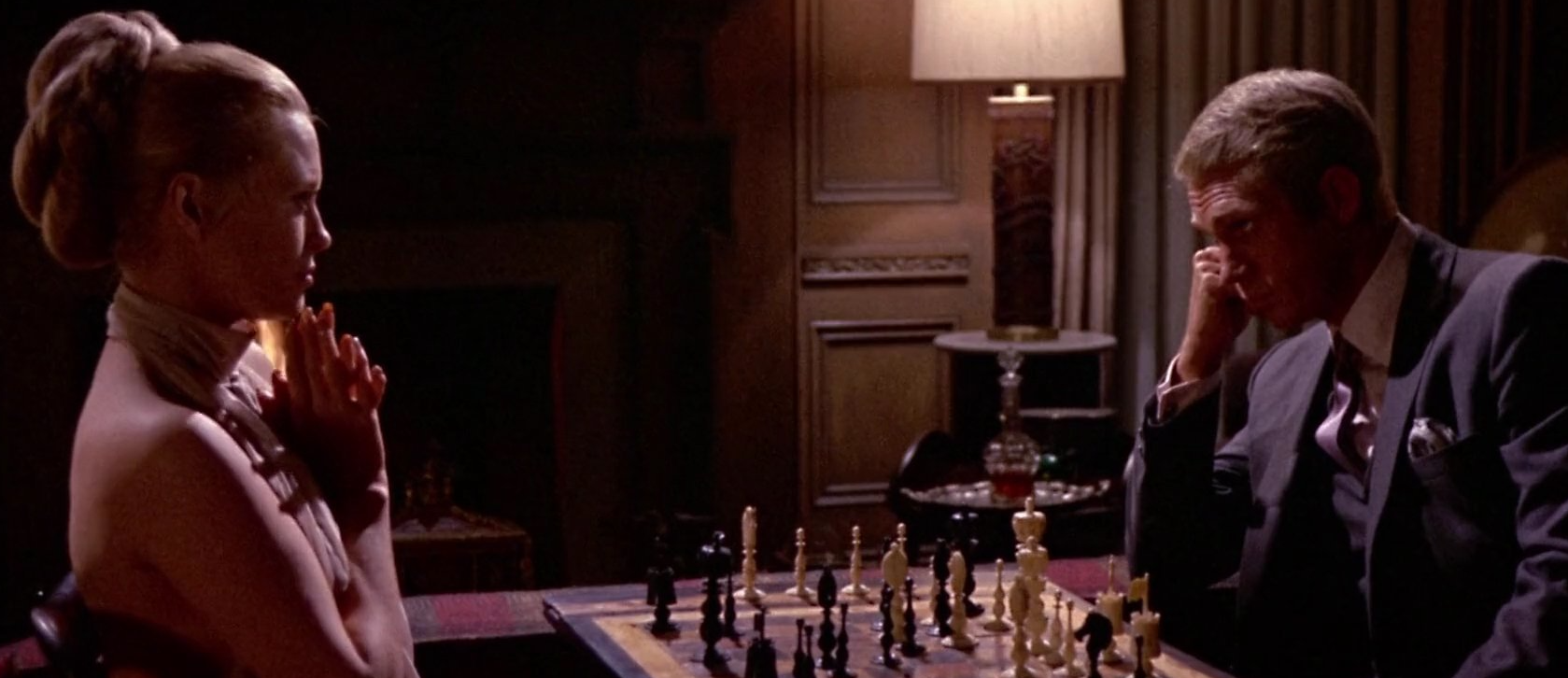
The Thomas Crown Affair (1968)
In The Thomas Crown Affair we are plunged into the decadent world of Thomas Crown, a charismatic tycoon whose penchant for high-stakes heists plunges us into a glamorous yet morally ambiguous realm where the allure of danger and the thrill of the chase intertwine seamlessly, captivating audiences with each audacious exploit. Set against the backdrop of 1960s Boston, this gem follows Crown’s daring exploits while evading the dogged pursuit of independent detective Vicki Anderson. Their electrifying cat-and-mouse game unfolds amidst a haze of intrigue and desire, weaving a narrative as seductive as it is suspenseful. With its slick cinematography and groovy soundtrack, The Thomas Crown Affair captures the zeitgeist of the era, immersing audiences in a world of opulence and moral ambiguity. As Crown and Anderson engage in a battle of wits, the lines between right and wrong blur, leaving viewers spellbound by the sheer audacity of their actions. In a climactic twist, Crown’s true motivations are laid bare, plunging him into a maelstrom of self-reflection and reckoning. Worth mentioning is the spellbinding soundtrack, arranged by Michel Legrand, it features a captivating blend of jazz, orchestral, and pop elements that capture the essence of the 1960s era. At the heart of the soundtrack is the iconic theme song “The Windmills of Your Mind” sung by Noel Harrison, the song is hauntingly beautiful and perfectly encapsulates the film’s themes of intrigue, romance, and existential contemplation. Through its stylish visuals and captivating performances, The Thomas Crown Affair stands as a testament to the cinematic brilliance of the 1960s, leaving an indelible mark on the landscape of heist films for years to come.
 Dog Day Afternoon (1975)
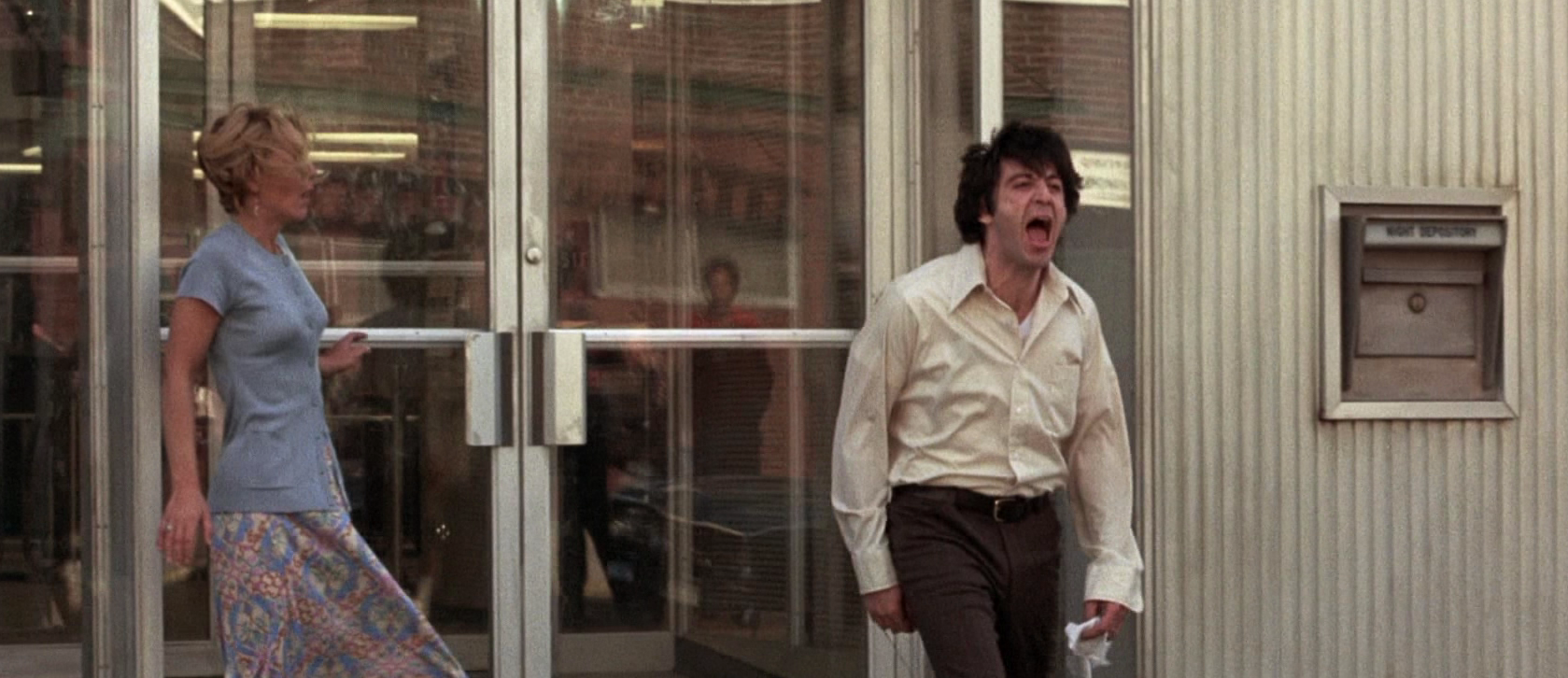 Dog Day Afternoon (1975)
Dog Day Afternoon, a gripping cinematic drama helmed by Sidney Lumet, draws inspiration from real-life events. Al Pacino embodies the role of Sonny Wortzik, a man driven to desperate measures alongside his comrades Sal (portrayed by John Cazale) and Stevie (brought to life by Gary Springer). Their aim? To secure funds for Sonny’s partner’s gender confirmation surgery through a daring bank heist set in the heart of Brooklyn. However, their plans spiral into chaos, culminating in an unexpected standoff that ensnares Sonny and his captives within the bank’s confines. Lumet’s narrative mastery enthralls viewers into a world fraught with tension. Through Pacino’s compelling portrayal, Sonny emerges as a complex figure grappling with societal pressures and personal motivations. The stakes heighten as the blistering Brooklyn heat intensifies, mirroring the escalating tensions both inside and outside the bank. In a pivotal moment of the film’s high-tension standoff, Sonny, amidst a throng of spectators and encircled by law enforcement, unleashes a fervent cry: “Attica! Attica!”. This impassioned invocation harkens back to the tumultuous Attica Prison uprising of 1971, emerging as a potent symbol of defiance and societal upheaval. In the heat of the moment, Sonny’s chant reverberates with a palpable urgency, echoing the unrest and discontent simmering beneath the surface of 1970s America. Through its gripping storyline and powerhouse performances, the film stands as a timeless testament to the extremes individuals will reach for the ones they love.
 le cercle rouge (1970)
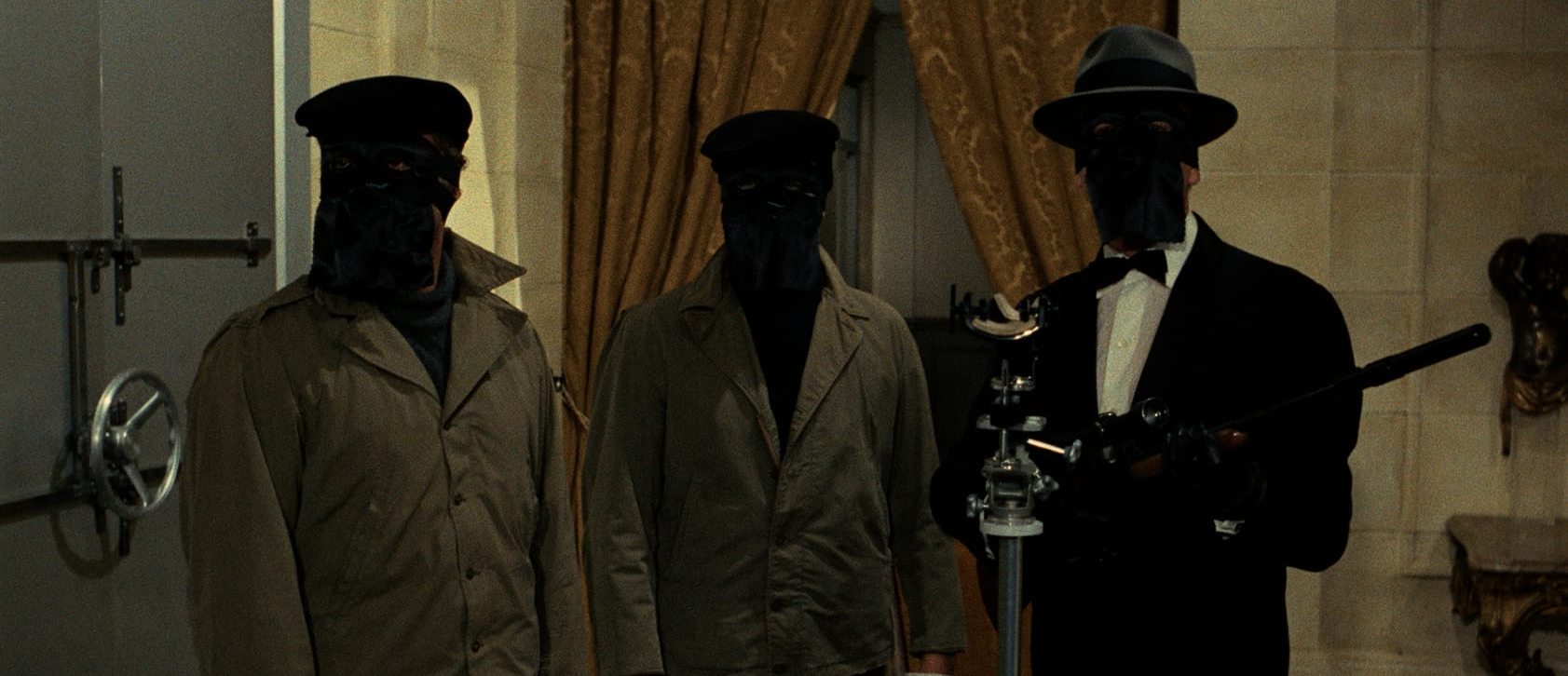 le cercle rouge (1970)
Jean-Pierre Melville’s Le Cercle Rouge immerses viewers into a shadowy world where fate and circumstance entwine with the desperate ambitions of four disparate souls. Alain Delon’s Corey, a newly freed ex-con, forms an uneasy alliance with Gian Maria Volonté’s Vogel, a former lawman turned alcoholic, as they plot a daring jewelry heist in the heart of Paris. Alongside them, Yves Montand’s Jansen, a sharpshooter with his own demons, and André Bourvil’s Mattei, a tenacious police inspector, add layers of intrigue and complexity to the unfolding drama. What distinguishes the film is not merely its plot, but its evocative atmosphere and philosophical underpinnings. Melville’s direction is sparse yet meticulous, capturing the existential ennui that permeates the criminal underworld. Against a backdrop of dimly lit alleyways and smoke-filled rooms, the characters navigate a landscape where redemption is as elusive as the stolen jewels they seek. As the intricate layers of the heist begin to unravel, the film delves deep into the psyches of its characters, revealing the scars of their pasts and the burdens they carry. Corey, haunted by his criminal past and the spectre of incarceration, finds himself thrust back into a world of danger and temptation. Vogel, grappling with the demons of addiction and disillusionment, seeks redemption in the allure of one final score. Meanwhile, Jansen, scarred by his experiences as a soldier and a sharpshooter, struggles to find purpose amidst the chaos of his existence. And Mattei, the relentless police inspector, is driven by a sense of duty and justice that transcends personal ambition. As the tension mounts and the stakes escalate, these men are inexorably drawn together by fate, their paths converging in a climactic confrontation that will test their resolve and reshape their destinies.
 The Italian Job (1969)
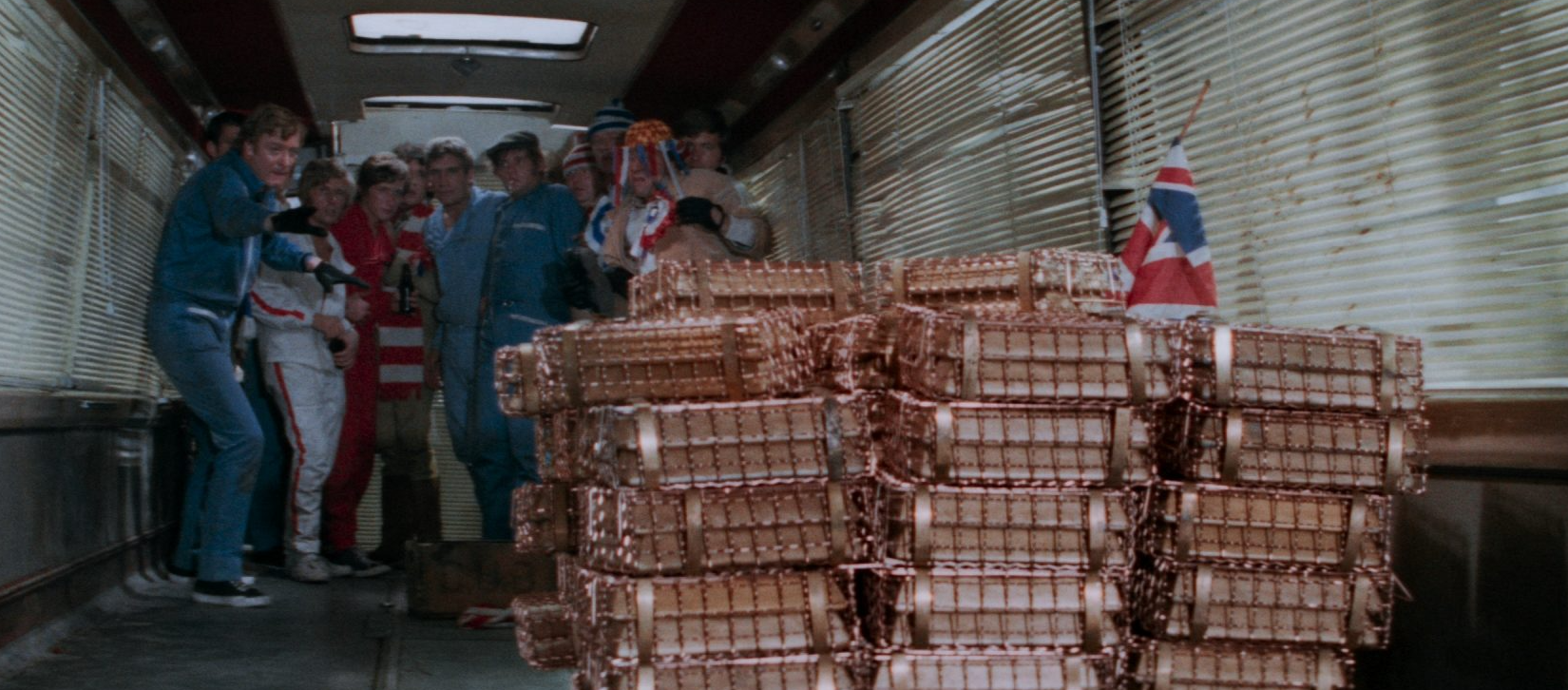 The Italian Job (1969)
“You‘re only supposed to blow the bloody doors off!” the iconic line from one of the most adored British films of all time, The Italian Job, starring Michael Caine as the charismatic thief Charlie Croker. With a blend of wit, action, and suspense, the film follows Croker’s elaborate plan to steal gold bullion in Turin, Italy, aided by a colourful ensemble cast of criminals. What sets the film apart is its playful approach to the heist genre, characterised by witty dialogue and memorable characters. The film’s centerpiece is the daring Mini Cooper car chase through the streets of Turin, a visually striking sequence that has become iconic in cinema history. Accompanied by a lively soundtrack, including the catchy “Self Preservation Society” theme song, which encapsulates the film’s irreverent spirit and sense of camaraderie among the characters. Croker’s cool demeanour under pressure serves as a stark contrast to the chaos unfolding around him, earning him the admiration of both his fellow thieves and the audience alike. Whether he’s devising a cunning plan or facing down his adversaries with steely resolve, Caine’s performance captivates with its understated intensity and magnetic presence. As the credits roll, The Italian Job leaves a lasting impression, a testament to the power of cinematic storytelling and the timeless appeal of a well-crafted narrative. In a landscape crowded with imitators, it remains a shining example of the heist genre at its finest.
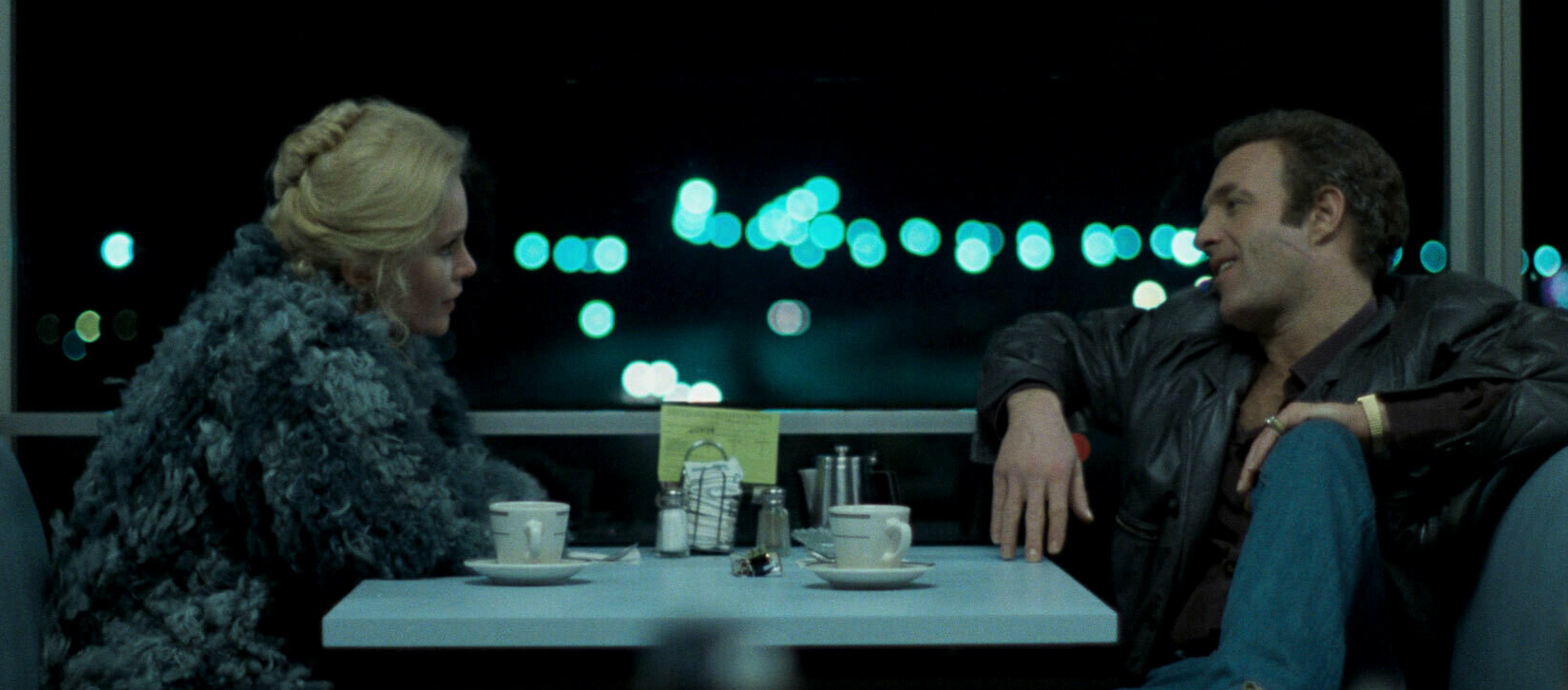 thief (1981)
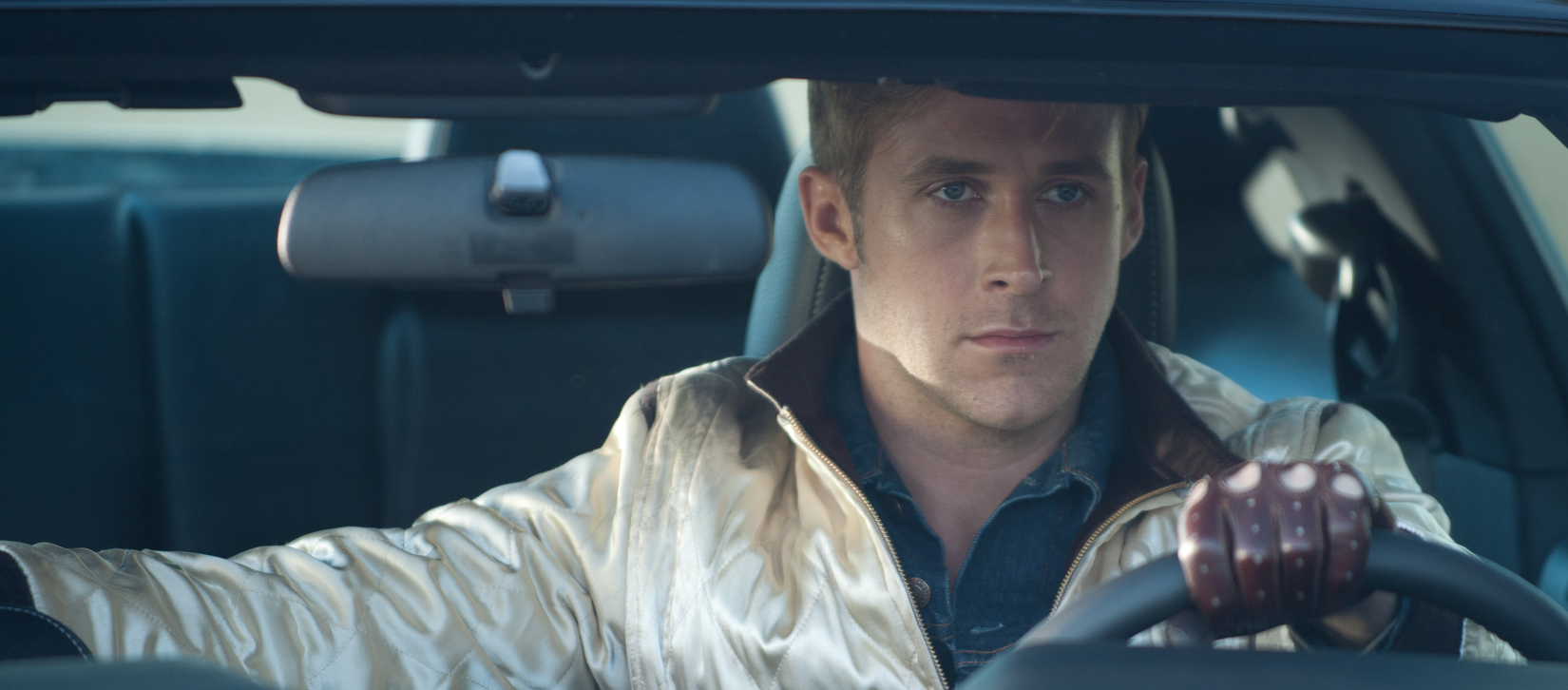 drive (2011)
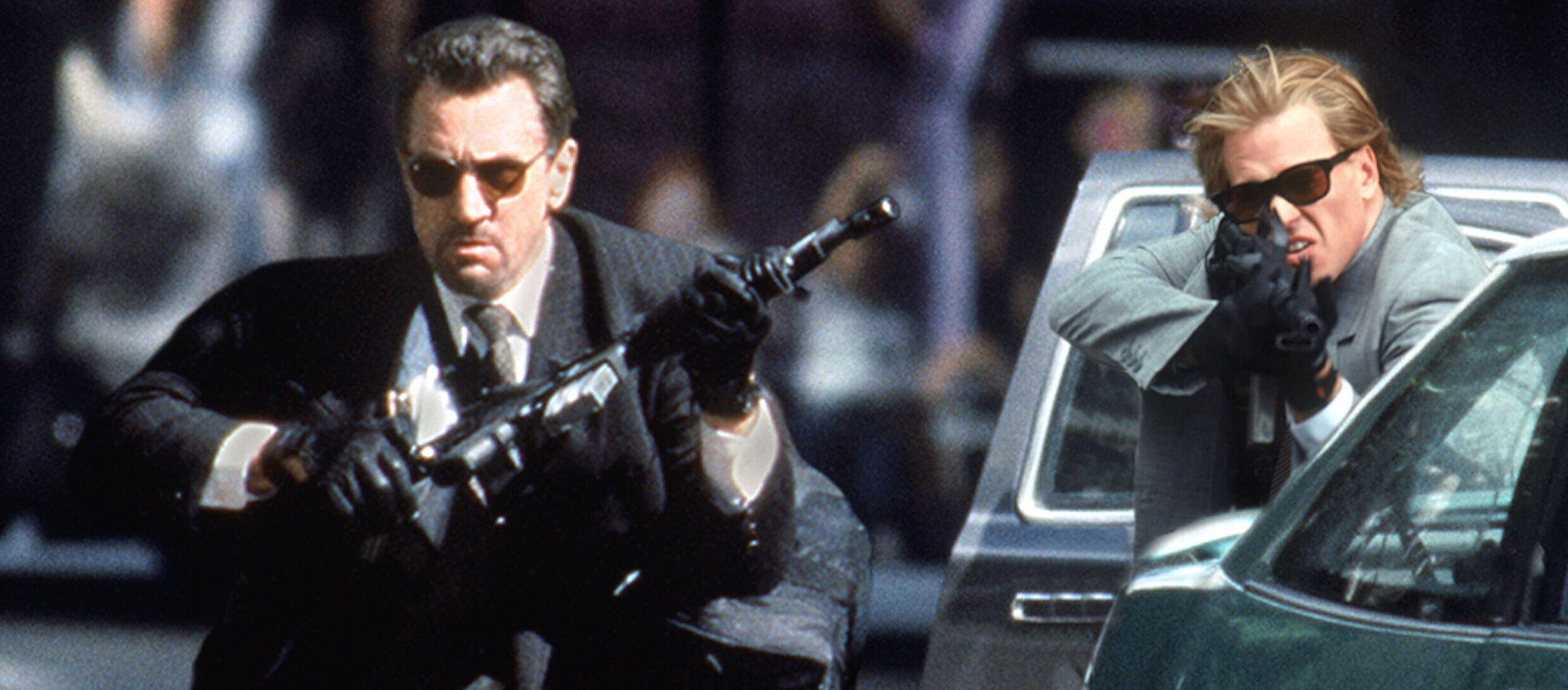 heat (1995)
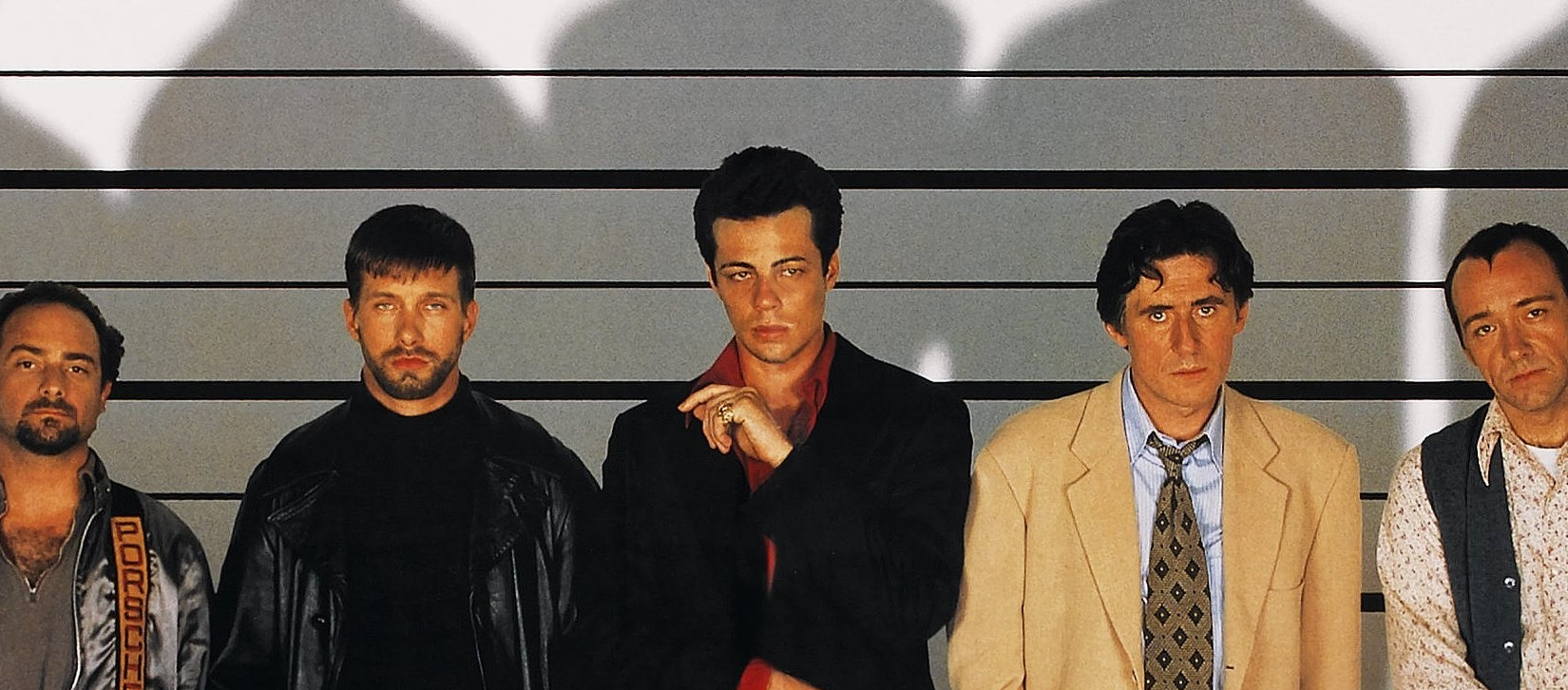 The Usual Suspects (1995)
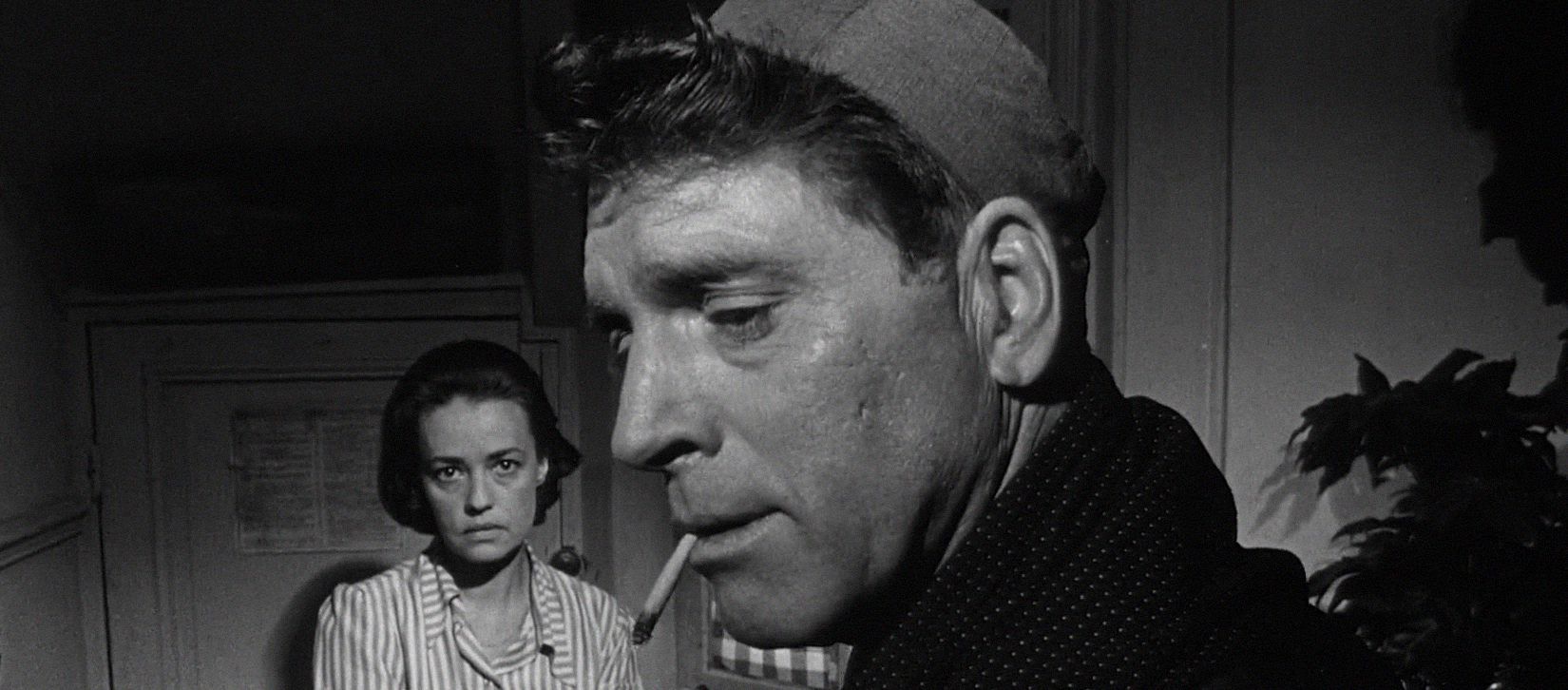 The Train (1964)