
in-store offers
10 of the best
cinematico italiano
In the aftermath of World War 2, Italian cinema underwent profound changes, reflecting the nation’s evolving social and cultural fabric, emerging from the devastation of conflict, the neorealist movement emerged as a potent artistic voice, known for its raw and unfiltered portrayal of post-war life. These films captured the struggles of ordinary people, vividly depicting the poverty, desperation, and moral quandaries of the era, however, as Italy experienced economic growth and societal shifts in the ensuing years, the cinematic landscape evolved once more, and the 1960s and 70s witnessed the emergence of a more experimental cinema, spearheaded by visionary directors like Federico Fellini and Michelangelo Antonioni. Their groundbreaking works challenged traditional storytelling conventions, exploring the complexities of human existence with unparalleled depth and innovation.
We’re celebrating the best of this incredible thirty year period of Italian cinema and here are ten of our standout films…
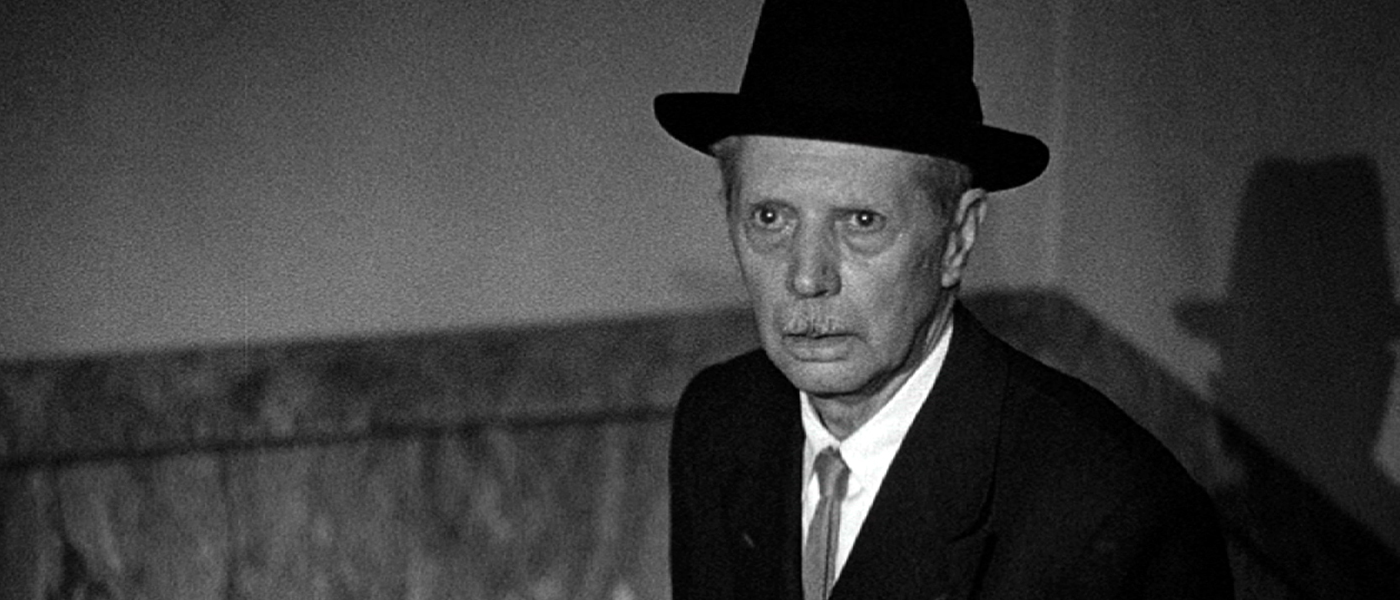
umberto d.
Vittorio De Sica’s Umberto D. offers a poignant glimpse into the harshness of life in post-war Italy through the eyes of Umberto Domenico Ferrari, an elderly pensioner grappling with societal indifference. Umberto, portrayed by Carlo Battisti in a remarkable debut performance, resides in a dilapidated apartment with his cherished dog, Flike. Confronted with eviction due to unpaid rent and struggling to afford basic necessities, Umberto contends with the stark realities of his predicament while upholding his dignity and pride. As the culmination of the Italian neorealist era, the film epitomises the movement’s commitment to depicting the lives of ordinary people with unvarnished honesty, De Sica’s empathetic direction, complemented by Cesare Zavattini’s understated screenplay, delicately illuminates the struggles of everyday individuals, laying bare the profound human toll of poverty and social injustice.
 la dolce vita
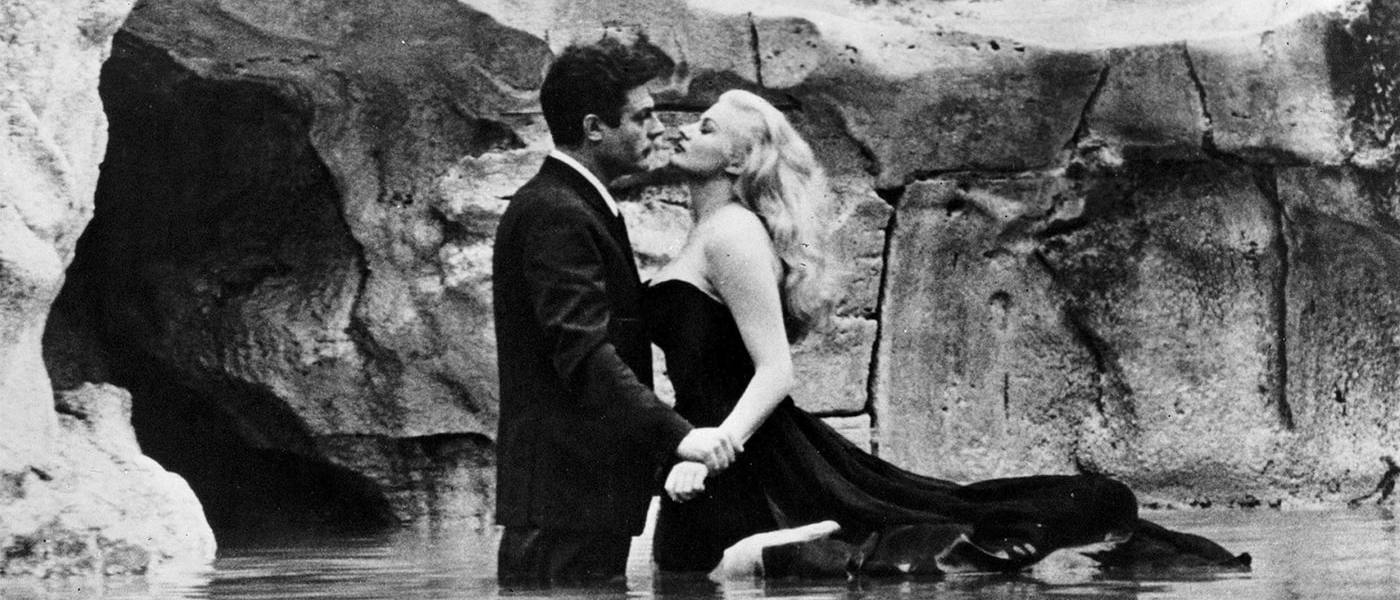 la dolce vita
La Dolce Vita whisks viewers away to a world of excess and hedonism as disillusioned journalist Marco Rubini navigates through the glitzy yet shallow social circles of Rome’s elite, where he finds himself ensnared in a world of superficiality and hollow pursuits. Initially attracted by the allure of fame and fortune, he soon discovers that the glittering facade masks a profound emptiness. Amidst meetings with academics and celebrities, where all manner of temptations are on offer, his quest for purpose and real connection sends him down a path of moral decline and spiritual crises. Split up in episodes, Fellini employs this technique to offer glimpses into the characters’ lives, illuminating their distinct desires and vulnerabilities while also weaving them into the film’s overarching themes.
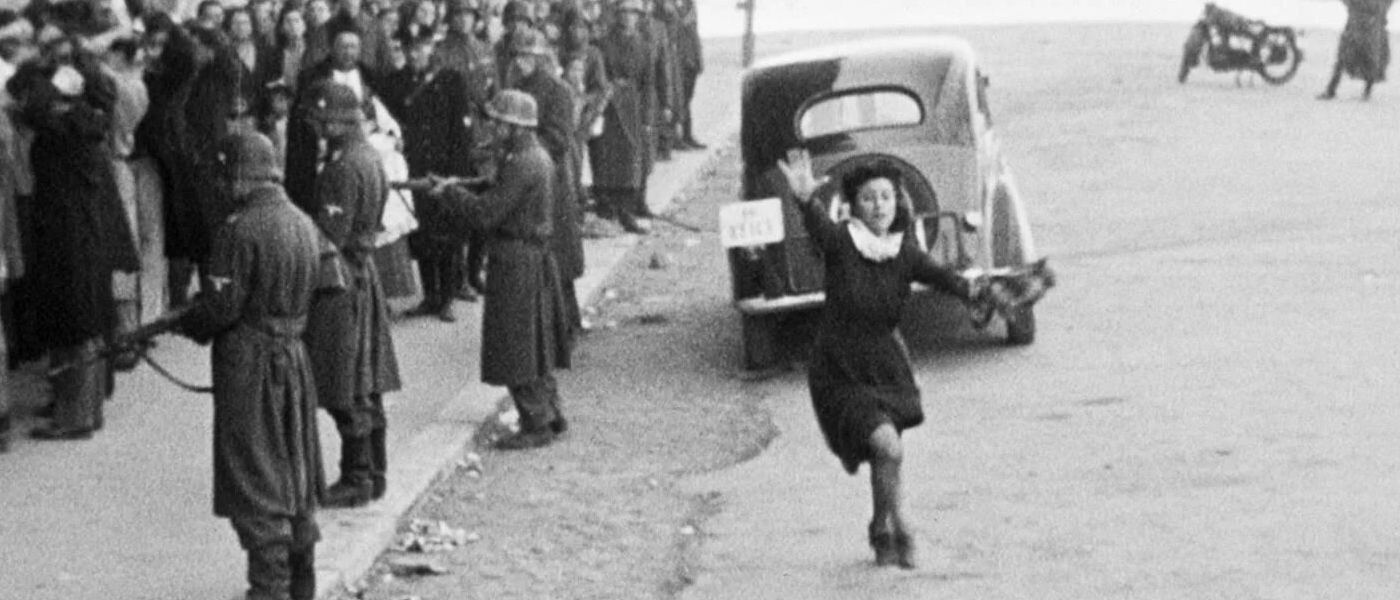
rome, open city
Rome, Open City stands as a defiant declaration against fascism’s iron grip. Here, resistance pulses through the veins of everyday people, their struggles echoing in the shadowed alleyways and clandestine meetings of the resistance. The unshakable bravery of Don Pietro, a priest whose steadfast resolve acts as a beacon of hope amidst the most dire circumstances, giving fighters a place to rest amid the turmoil of battle and serving as a source of courage and inspiration. Director Roberto Rossellini captures the city’s palpable tension with a documentary-like authenticity, with filming commencing in January 1945, a mere six months post-Nazi occupation, captures not just a historical moment but an atmosphere thick with uncertainty.
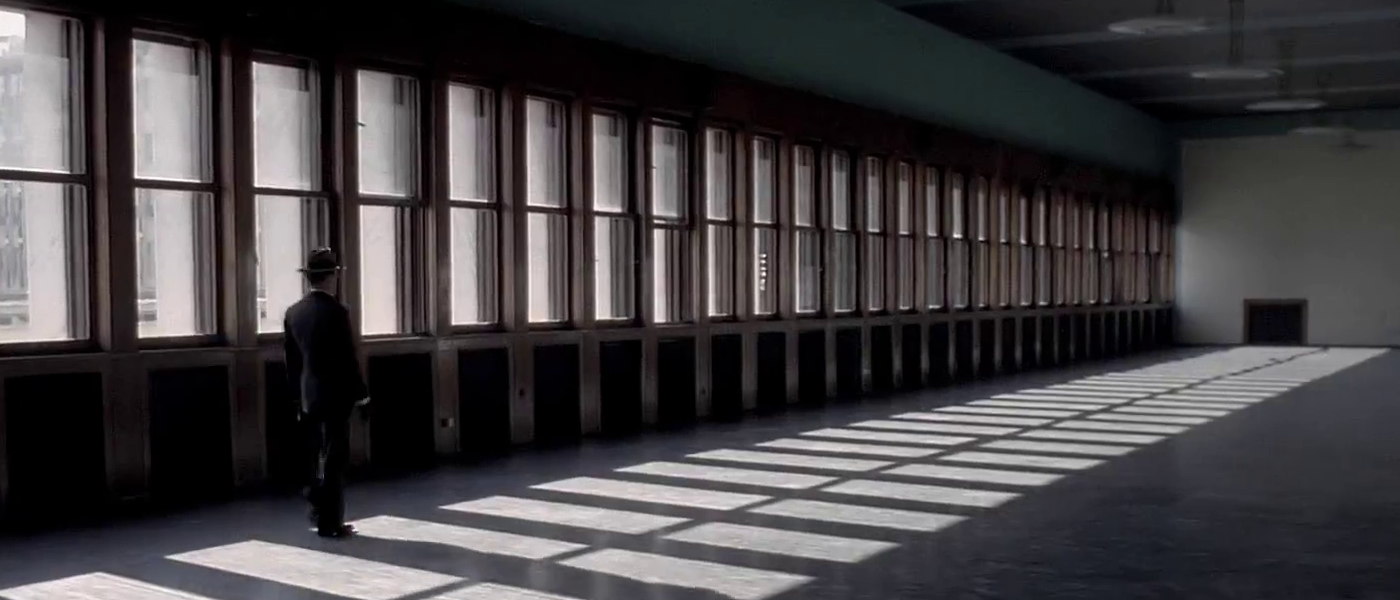
the conformist
Bernardo Bertolucci’s gripping psychological thriller unfolds around Marcello Clerici, portrayed by Jean-Louis Trintignant, a conflicted young Italian grappling with his inner demons, including his repressed homosexuality. In his quest to conform to the societal norms imposed by Mussolini’s fascist regime, Marcello finds himself entangled in a web of moral ambiguity and political intrigue. As he is drawn into the inner circles of power, he is assigned a harrowing mission that tests the very depths of his convictions: to eliminate his former university professor, now a vocal critic and political dissident seeking refuge in the vibrant streets of Paris. But when Marcello faces the complexity of identity and the attraction of forbidden desires, his path takes an unexpected turn.
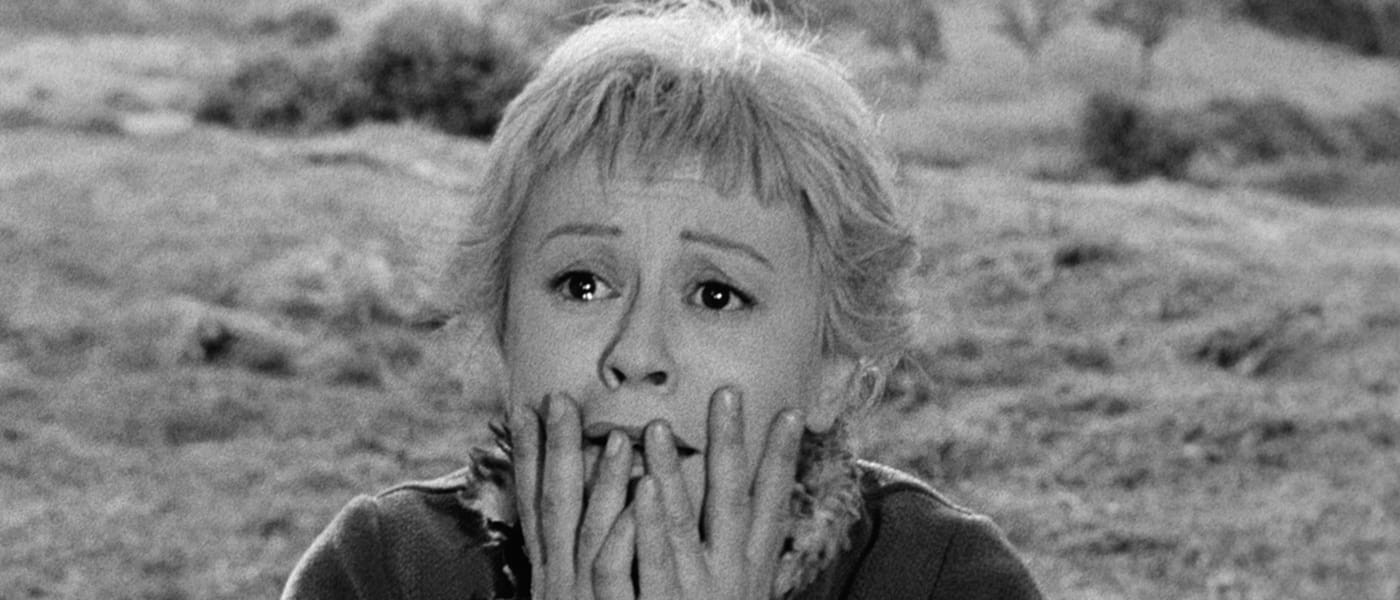
la strada
In La Strada we follow the journey of Gelsomina, a sweet, simple girl, and Zampanò, a brutish circus strongman. Against the backdrop of post-war Italy’s pervasive poverty and desperation, Gelsomina, portrayed by Giulietta Masina, is sold by her impoverished mother to Zampanò, played by Anthony Quinn, in exchange for basic necessities. As they traverse small towns and villages, Gelsomina finds herself drawn to Zampanò despite his harsh treatment and neglect. Fellini’s poetic storytelling, coupled with Masina’s luminous performance and Nino Rota’s haunting score, imbues the film with an enchanting blend of magic and melancholy. Widely acclaimed as one of Fellini’s greatest masterpieces, its enduring resonance and universal themes have solidified its place as a timeless classic of world cinema.
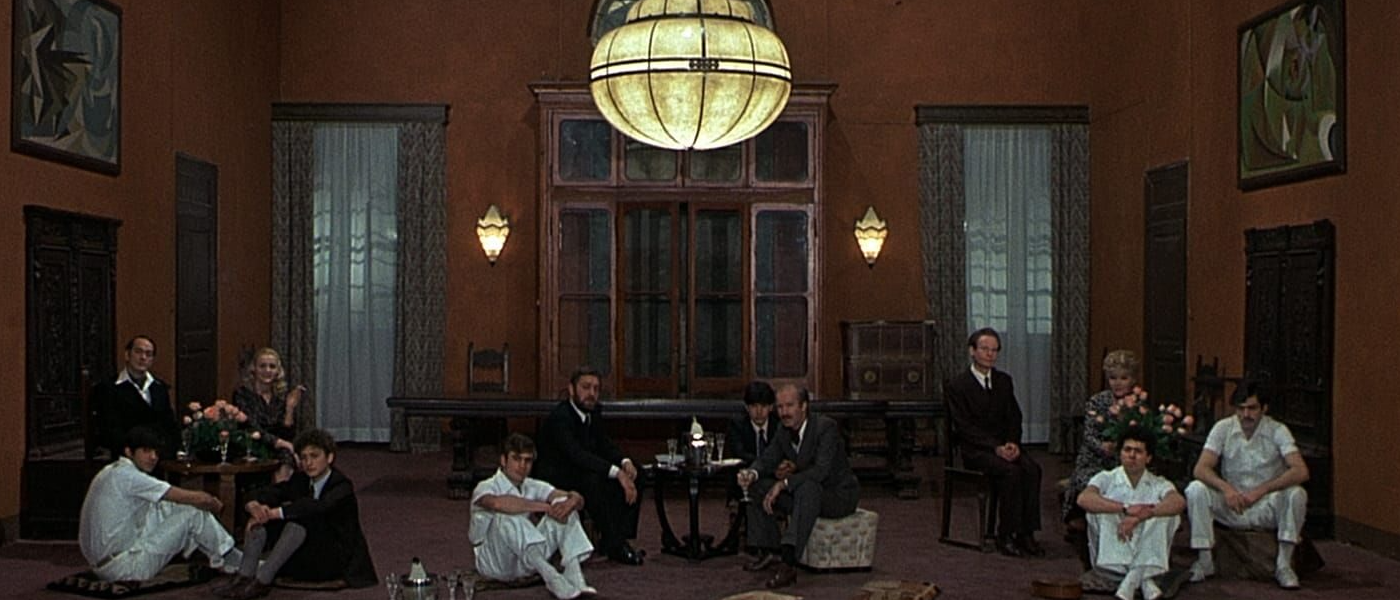
Salò, or the 120 Days of Sodom
Banned in several countries due to its explicit content and disturbing themes, Pasolini’s Salò, or the 120 Days of Sodom is infamous for its unflinching portrayal of violence, degradation, and sexual abuse which led to widespread condemnation upon its release in 1975. Set against the backdrop of Fascist Italy during the tumult of World War 2, Salò plunges viewers into a harrowing descent into the abyss of human depravity, the story centers on four affluent and morally bankrupt libertines who wield their power with impunity, orchestrating a grotesque spectacle of cruelty within the confines of a secluded mansion. Within this chamber of horrors, a group of young men and women are ensnared, their innocence cruelly stripped away as they become pawns in the sadistic games of their captors. It still remains a polarising and divisive film, sparking debate and controversy among audiences and critics alike, yet its uncompromising exploration of the darkest depths of human cruelty continues to resonate with viewers.
nights of cabiria
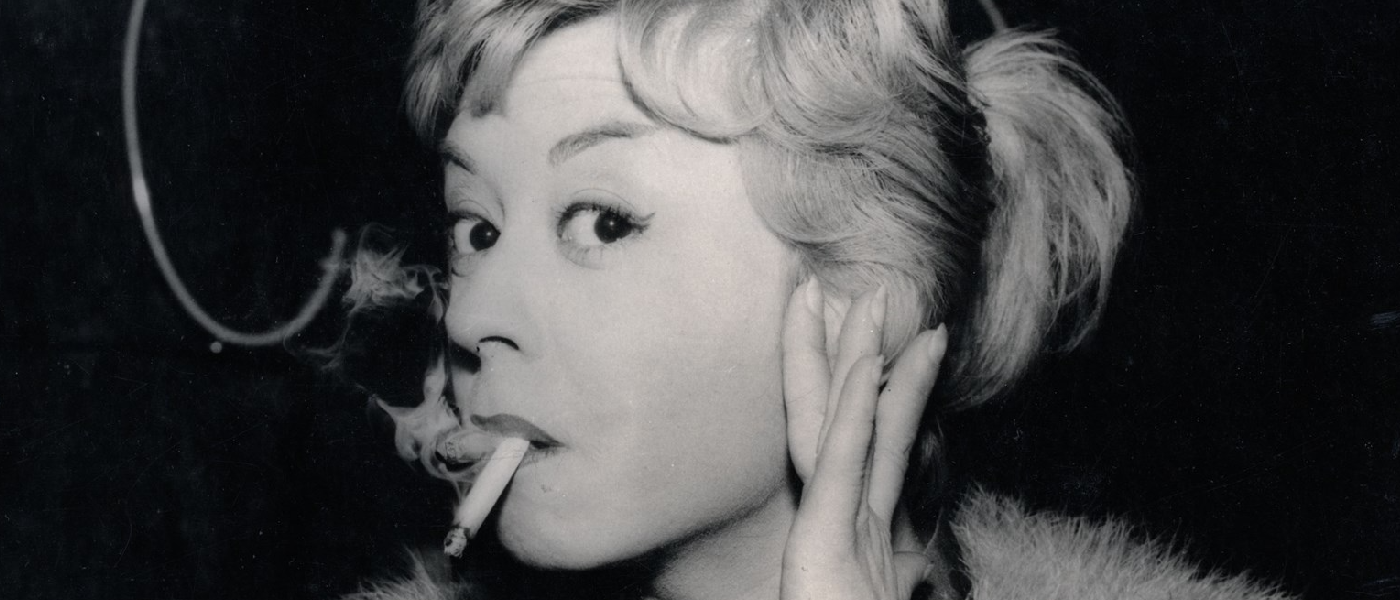 nights of cabiria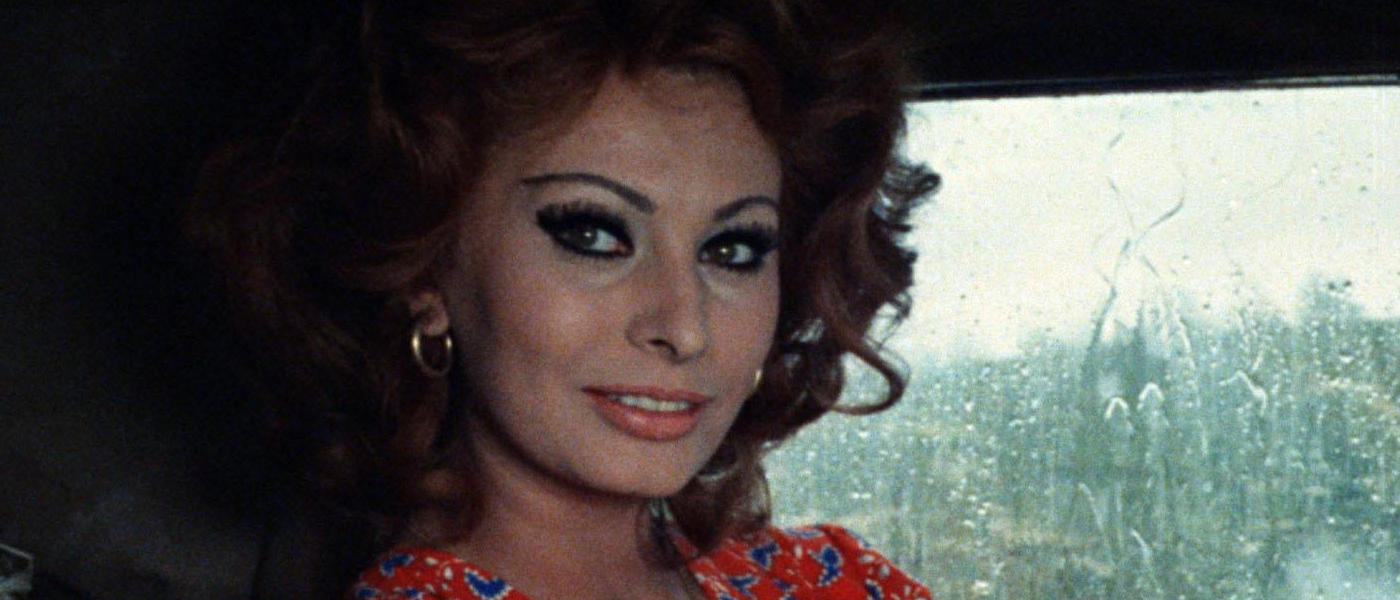
marriage, italian style
With Sophia Loren and Marcello Mastroianni as its leads, Vittorio De Sica’s Marriage Italian Style is a journey through the complex social dynamics of 1960s Italy. The narrative centers on the vibrant Filumena Marturano, a person of unquestionable charm and astute insight who gets caught up in a web of ambition and survival. She is an experienced sex worker who handles the turbulent environment of the city with a deftness that comes from necessity. Domenico Soriano, a powerful and wealthy man, enters the scene. His ignorance of the real workings of the world around him is only greater than his conceit. In this context of contrasts, Filumena devises a plan that is as complex as the narrow streets of Naples. She plays the part of a damsel in distress, all the while deftly pulling the strings of destiny to draw Domenico into a relationship that goes much beyond business as usual.
 8 1/2
8 1/2